The Canadian Boat Name Registry (officially the “Canadian Register of Vessels”) is a federal title system managed by Transport Canada under the Canada Shipping Act, 2001. It grants official name protection, assigns a permanent Official Number, records proof of legal ownership, and allows owners to register marine mortgages.
Note: While Transport Canada is the governing authority, vessel owners can utilize private documentation services like the National Vessel Registry Center Corp. to streamline form submissions online.
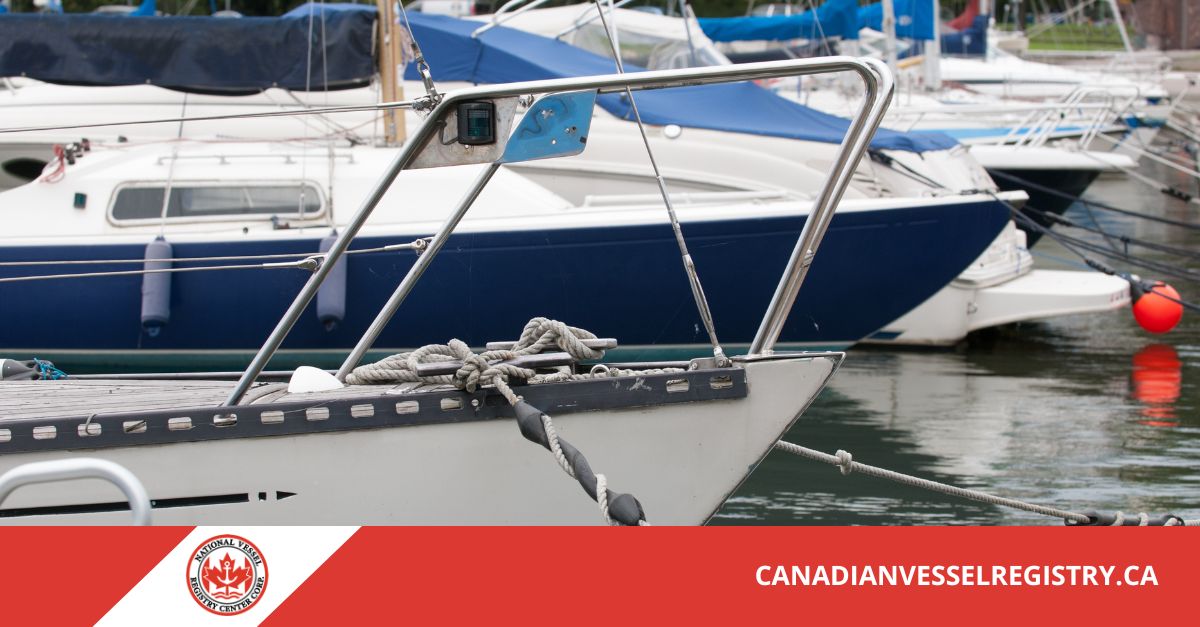
Entering a boat into the official register establishes a verified record of legal title that is recognized globally by maritime authorities and financial institutions. This status protects the owner’s investment and serves as a prerequisite for recording marine mortgages, operating commercially, or taking a craft into international harbors.
The National Vessel Registry Center Corp. provides direct online access to the forms necessary for initial registration, transfers, and updates.
By submitting an application to Transport Canada, owners ensure their craft receives formal recognition beyond a standard state or provincial tracking number. The registration process involves submitting primary and alternative name choices, selecting a designated home port, and verifying physical dimensions and tonnage.
Once approved, the assigned title is permanently linked to the boat’s Official Number. The National Vessel Registry Center Corp. provides streamlined digital portals that make accessing and completing these mandatory registration forms straightforward.
Differentiating the Official Boat Name Registry from Pleasure Craft Licensing
Recreational and commercial boat owners must choose the correct path of documentation based on how their craft is utilized and financed. A Pleasure Craft Licence (PCL) is a basic tracking document designed primarily for search and rescue operations, assigning a standard alphanumeric identification number to the bow of a recreational craft.
In contrast, enrolling in the boat name registry provides formal proof of ownership, legal name protection, and official registration under federal authority.
- A PCL assigns a bow identification number but does not provide legal title or name protection.
- The Small Vessel Register caters to small non-pleasure craft, whereas full registration offers comprehensive title records.
- Commercial craft and boats carrying a marine mortgage are required by law to enter the official register.
- International travel requires official registration rather than a basic PCL for customs clearance.
- The National Vessel Registry Center Corp. provides web-based access to both registration forms and PCL forms.
For boat owners seeking maximum legal security, entering the official register is the superior choice over a standard PCL. While licensing merely meets minimum safety requirements for minor recreational craft, full registration protects the name of the boat within its designated port and enables financial institutions to register legal liens against the title.
The National Vessel Registry Center Corp. provides convenient, accessible forms to help craft owners navigate these documentation paths easily.
Transport Canada Vessel Marking Requirements
Once your boat name and Port of Registry (e.g., Vancouver, Halifax, Toronto) are approved, you must comply with strict marking standards:
- Exterior Hull Name & Port:
Must be displayed on both sides of the bow or on the stern.
Lettering must be durable, legible, and at least 4 inches (10 cm) in height.
- Interior Official Number & Net Tonnage:
The assigned Official Number and Net Tonnage must be permanently marked on an interior main beam or structural frame.
Format example: `O.N. 123456 | N.T. 15.2`
If you have any further questions about these requirements, please don’t hesitate to reach out.
Managing Documentation Updates, Ownership Transfers, and Ongoing Compliance
Keeping official vessel records current through timely updates and renewals ensures continuous legal protection for boat owners.
Maintaining your boat’s legal standing requires prompt action whenever ownership changes, structural modifications occur, or regulatory deadlines approach. When selling or purchasing a registered craft, a formal transfer of ownership must be filed to update the central database and issue a revised Certificate of Registry. Managing these administrative requirements promptly protects buyers and sellers alike from liability and title disputes.
- Transfers of ownership require formal documentation to pass legal title to new buyers.
- A boat registration renewal must be completed prior to the expiration date listed on the Certificate of Registry.
- Structural alterations affecting length, tonnage, or propulsion must be reported to update official records.
- Discharging or transferring a marine mortgage requires specific legal filings with Transport Canada.
- The National Vessel Registry Center Corp. provides streamlined access to change-of-address and replacement forms.
Staying compliant with ongoing documentation ensures your craft remains fully recognized under Canadian law without unexpected operational disruptions. Certificates of Registry are valid for set periods, requiring periodic filing to remain active and legally sound.
Whether submitting a routine boat registration renewal, updating owner address details, or requesting historical transcripts, maintaining accurate records protects your maritime investment.
The National Vessel Registry Center Corp. provides online forms to handle all aspects of ongoing boat documentation effortlessly.
Frequently Asked Questions About the Canadian Boat Name Registry
What is the difference between an official boat name and a licence number?
An official boat name is granted through the Canadian Register of Vessels, providing legal title protection and a unique name within an assigned Port of Registry. A licence number is issued under a standard Pleasure Craft Licence, which merely assigns a basic bow identifier for search and rescue purposes without providing legal ownership records or name reservation.
Is boat registration required for all Canadian watercraft?
Registration in the Canadian Register of Vessels is mandatory for commercial craft. The same goes for boats carrying a marine mortgage, and craft traveling internationally under the Canadian flag. Recreational boats equipped with motors of 10 horsepower (7.5 kW) or more may instead opt for a Pleasure Craft Licence. They can do so if they do not require formal title protection or mortgage recording.
How long does a Certificate of Registry remain valid?
A Certificate of Registry issued through the Canadian Register of Vessels is generally valid for a period of five years. Owners must complete a renewal filing prior to the expiration date to keep their legal title active and maintain full regulatory compliance.
How can I learn the history of a Canadian boat?
You can learn more about boats that have been on the Canadian boat name registry through by applying for “historical research.” With that, you can research information about particular watercraft.