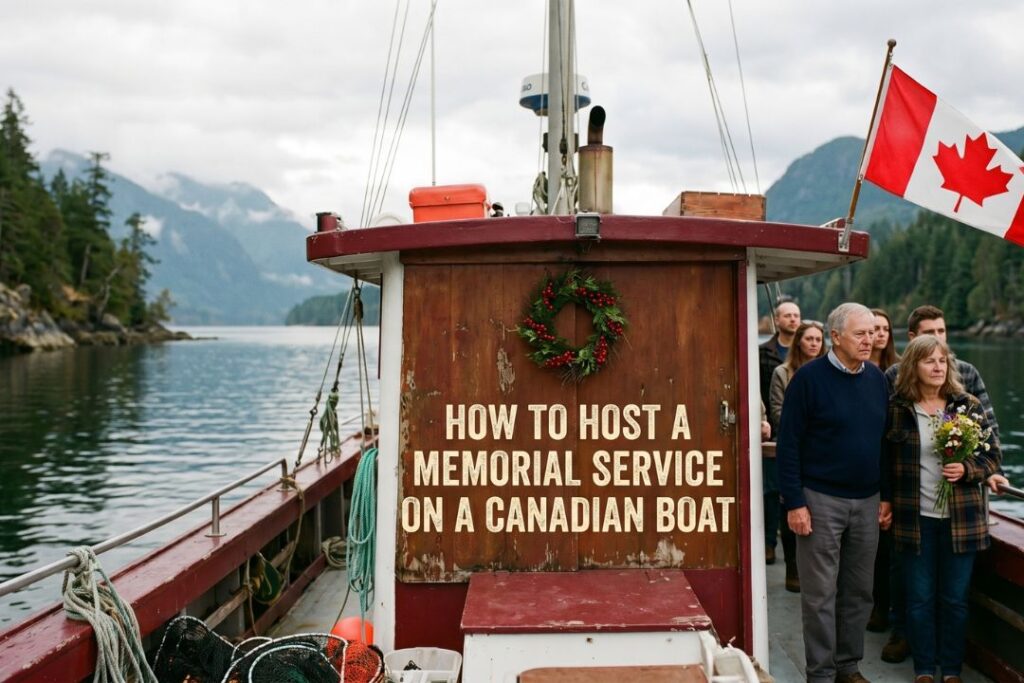
Hosting a memorial service on a Canadian boat can provide family members and close friends with a peaceful, meaningful way to honour a loved one while surrounded by the water they cherished. Whether you plan a private gathering on a lake, river, or coastal route, thoughtful planning can help create a respectful and memorable experience.
Our service makes it easier to access the Canadian registration forms many boat owners need so they can focus on organizing the ceremony itself instead of struggling through paperwork requirements.
What Should You Consider Before Planning a Memorial Service on a Boat?
A memorial ceremony on the water involves both emotional and practical decisions. Before setting a date, you should confirm that the boat is legally permitted to operate and suitable for the number of guests attending.
Some of the first considerations include:
- The size and condition of the boat
- Passenger capacity limits
- Weather conditions during the planned date
- Accessibility for elderly guests
- Safety equipment onboard
- Local marine regulations
- Whether the event will include scattering ashes
If the event takes place aboard a larger Canadian boat, registration details may also need to be current before departure. Boat owners often check their status ahead of time to avoid interruptions or compliance concerns before the ceremony.
Choosing the Right Location for the Ceremony
The location can shape the tone of the entire memorial. Some families prefer calm inland waters, while others choose open coastal areas connected to meaningful memories.
Popular options include:
- Quiet lakes with minimal traffic
- Scenic harbours
- Coastal inlets
- Rivers with calm currents
- Areas associated with fishing, boating, or family traditions
You may also wish to confirm local environmental guidelines before scattering flowers or ashes into the water.
For ceremonies involving ashes, federal laws and local environmental rules may apply. Information about Canadian boating legislation can be found through the Canadian government’s official legislation page: Canada Shipping Act, 2001.
How Many Guests Should Attend?
Boat memorials are often smaller than traditional services because of onboard space limitations. Keeping attendance manageable can help preserve a calm atmosphere while improving safety.
Families commonly invite:
- Immediate relatives
- Close friends
- Longtime boating companions
- Religious or spiritual leaders
- Military representatives when appropriate
When hosting a service on a Canadian boat, passenger limits should never be exceeded, even for short trips. Overcrowding can create safety concerns and reduce comfort for guests during an emotional gathering.
Ways to Create a Comfortable Environment
Guests may feel emotional or anxious while on the water, especially if they are unfamiliar with boating.
Helpful preparations may include:
- Providing bottled water
- Offering shaded seating
- Keeping life jackets easily accessible
- Bringing blankets for cooler weather
- Having motion sickness medication available
- Planning restroom access ahead of time
These details can help guests focus on remembrance rather than logistical concerns.
What Type of Ceremony Works Best on the Water?
Every family approaches memorials differently. Some prefer formal ceremonies while others choose relaxed gatherings centred around storytelling and reflection.
Common memorial elements include:
- Readings
- Music
- Prayer services
- Flower releases
- Ash scattering ceremonies
- Shared memories from guests
- Moments of silence
- Candle ceremonies while docked
A Canadian boat ceremony often feels more intimate than a land-based event because everyone shares the same quiet space together on the water.
Religious and Cultural Considerations
Different traditions may influence the ceremony structure.
Certain families may include:
- Clergy members
- Traditional blessings
- Maritime customs
- Indigenous ceremonial practices
- Military honours
- Cultural music or readings
If specific rituals are involved, you may want to review whether local boating rules or environmental restrictions affect the plans.
Should You Use a Commercial Charter or a Private Boat?
Both options can work well depending on the size and nature of the gathering.
Private boats may offer:
- Personal emotional connection
- Familiar surroundings
- Greater privacy
- Flexible scheduling
Commercial charters may provide:
- Larger passenger capacity
- Crew assistance
- Restroom facilities
- Catering accommodations
- Easier accessibility
Families using a privately owned Canadian boat should verify that all registration information remains active before the memorial date.
How Can Boat Registration Affect Memorial Planning?
Administrative issues can delay plans if boat documentation has expired or contains outdated information. Owners frequently review registration details before special events involving guests.
Our service helps simplify access to forms related to:
- Canadian boat registration
- Registration transfers
- Registration renewal
- Replacement certificates
- Recording ownership changes
For some owners, confirming registration status before hosting a memorial helps avoid unnecessary stress during an already emotional time.
What About Pleasure Craft Licensing?
Some recreational boats operate under a pleasure craft licence instead of formal registration. These systems are not identical and apply to different situations under Canadian boating regulations.
Owners may need to verify:
- Which system applies to their boat
- Whether information is current
- Display requirements
- Transfer obligations
- Applicable operational rules
Before planning a memorial outing, checking compliance requirements can help avoid complications on the day of the service.
How Do You Prepare Guests for the Experience?
Guests often appreciate advance communication about what to expect during a water-based memorial.
Helpful information to share beforehand includes:
- Departure location
- Boarding time
- Parking details
- Appropriate clothing
- Expected weather conditions
- Ceremony duration
- Motion sickness recommendations
- Food and beverage availability
What Safety Measures Should Be Prioritized?
Safety should remain central to every aspect of the memorial.
Before departure, operators should confirm:
- Fuel levels
- Navigation lights
- Weather forecasts
- Emergency communication devices
- Availability of life jackets
- Passenger counts
- Fire extinguishers
- First aid kits
If alcohol will be served after the ceremony, transportation arrangements should also be addressed carefully.
Weather Planning Tips
Conditions on the water can shift quickly.
Backup plans may include:
- Flexible scheduling dates
- Shore-based alternatives
- Covered dock facilities
- Indoor reception spaces nearby
Strong winds or rough water can make ceremonies difficult for guests, especially older attendees or children.
Can You Scatter Ashes During the Ceremony?
Many families choose water memorials specifically for ash scattering ceremonies. However, local environmental guidelines and federal marine rules may affect where and how this can occur.
Families commonly choose:
- Open water locations
- Areas with personal significance
- Calm conditions for privacy
- Environmentally respectful methods
Biodegradable urns and flower petals are often selected to reduce environmental impact.
A Canadian boat memorial involving ashes should always be planned with respect for local marine environments and nearby communities.
How Can You Personalize the Memorial?
Small details often make the ceremony more meaningful.
Families frequently include:
- Favourite songs
- Maritime flags
- Personal photographs
- Fishing gear displays
- Recorded messages
- Memory books
- Shared meals after docking
Some families release flowers into the water while others create commemorative plaques or keepsakes for attendees.
Incorporating Maritime Traditions
For lifelong boaters, nautical customs may add a powerful symbolic element.
Examples include:
- Ringing a ship’s bell
- Sounding the horn
- Lowering flags
- Reading maritime poems
- Sunset ceremonies
These traditions can help reflect a loved one’s connection to boating and life on the water.
What If the Boat Ownership Recently Changed?
Ownership changes sometimes occur after the passing of a family member. In these situations, paperwork updates may be necessary before future use of the boat.
Our service provides easier access to forms connected to:
- Ownership transfers
- Estate-related registration updates
- Replacement ownership certificates
- Changes to registered information
This can help families continue using the boat legally for memorial gatherings or future family outings.
How Does Historical Research Help Families?
For some families, boating history carries emotional significance that becomes part of the memorial itself. Historical research may help uncover details about older boats that belonged to parents, grandparents, or longtime family members.
This may include:
- Prior ownership records
- Registration history
- Older boat names
- Operational timelines
- Historic documentation details
These discoveries can become meaningful additions to speeches, memorial displays, or family keepsakes during the ceremony.
What About Small Boats?
Not every memorial takes place aboard a large cruiser or yacht. Many ceremonies occur on fishing boats, pontoon boats, or compact recreational watercraft.
Owners sometimes review requirements connected to small boat registration before arranging passenger gatherings. Ensuring compliance ahead of time can help avoid interruptions while preparing for the memorial event.
Even smaller ceremonies can become deeply memorable when thoughtfully planned around the loved one’s personality and connection to the water.
How Can Families Reduce Stress While Planning?
Memorial planning can become emotionally exhausting, especially when administrative issues arise unexpectedly.
Families often simplify the process by:
- Confirming paperwork early
- Creating guest lists in advance
- Monitoring marine forecasts
- Assigning ceremony roles beforehand
- Preparing backup plans
- Reviewing boating compliance requirements ahead of time
What Makes a Boat Memorial So Meaningful?
Water ceremonies often create a sense of peace and reflection that differs from traditional indoor memorial services. The movement of the water, quiet surroundings, and shared experience aboard the boat can help guests feel connected to both the loved one and one another.
For many families, a memorial aboard a Canadian boat becomes more than a ceremony. It becomes a lasting memory tied to nature, family tradition, and meaningful time spent together on the water.