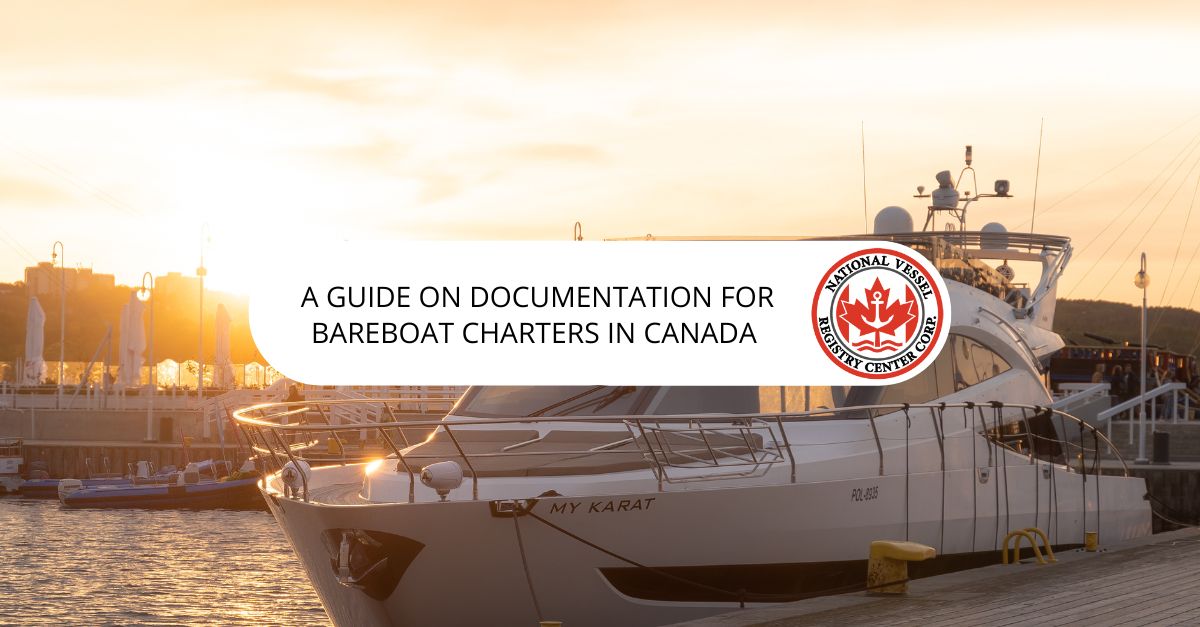
In some cases, a boat registered in one country may be leased to a company operating in another country for a specific period. When that arrangement involves a foreign-registered boat being placed into service under Canadian authority, Transport Canada requires Form 18 – Application for Bareboat Charter Registry for the registration process.
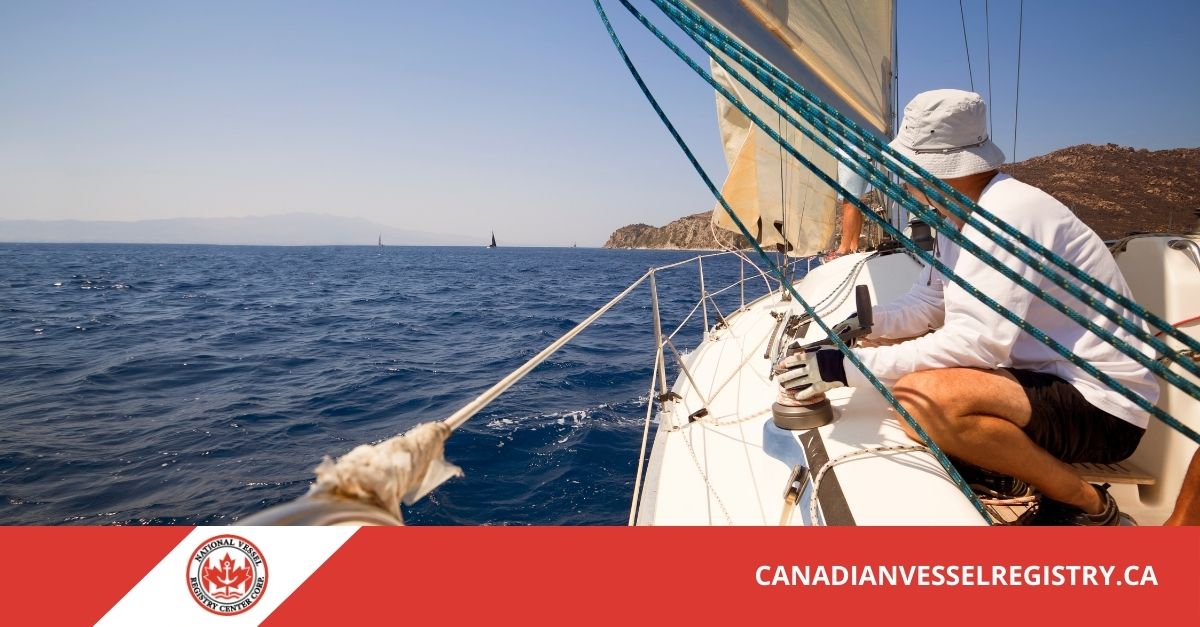
This application serves a specific purpose within Canada’s registration framework and is used when a foreign-registered boat is being chartered into Canada under a bareboat charter arrangement.
At National Vessel Registry Center Corp., we provide online access to Transport Canada registration forms and services that make it easier to complete registration transactions, pleasure craft licencing applications, registry updates, and other filing requirements through a convenient online portal.
The Basics of a Bareboat Charter in Canada
A bareboat charter is a legal arrangement in which the owner of a boat leases it to another party without supplying crew members, provisions, or operational management.
Under this type of agreement:
- The charterer assumes possession of the boat.
- The charterer becomes responsible for operating the boat.
- The charterer manages crewing requirements.
- The charterer assumes legal responsibility for the boat’s operation.
- The owner retains ownership rights during the charter period.
A bareboat charter differs significantly from other charter arrangements because operational control transfers to the charterer for the duration of the agreement.
There are generally two situations involving bareboat charters:
- A foreign-registered boat is leased for operation in Canada.
- A Canadian-registered boat is leased for operation in another country.
The first scenario is the one addressed through the Canadian bareboat charter registry process. When a foreign boat will operate under Canadian authority during the charter period, specific registration requirements apply.
In those circumstances, charterers may need to submit the Form 18 – Application for Bareboat Charter Registry to Transport Canada as part of the registration process.
The Legal Requirement Behind Bareboat Charter Registration
Canada maintains specific rules governing commercial boat operations through the Canada Shipping Act, 2001.
Under Canadian law, a foreign-registered boat generally cannot simply enter Canadian commercial service while remaining fully registered under its original national registry. Instead, certain legal steps must occur before the boat may operate under a Canadian bareboat charter arrangement.
The process typically involves:
- Temporary suspension of the foreign registration.
- Authorization from the foreign registry authority.
- Registration within the Canadian Register of Vessels.
- Compliance with applicable Canadian requirements.
The legislative framework governing these requirements can be found in the Canada Shipping Act, 2001.
Because bareboat charter registration creates a temporary relationship between a foreign-registered boat and the Canadian registry system, Transport Canada requires supporting documentation demonstrating that all parties have consented to the arrangement and that foreign registry requirements have been satisfied.
Required Documents That Must Accompany the Application
Transport Canada does not process bareboat charter registry applications based solely on the application itself.
Instead, applicants must submit supporting documentation that establishes ownership, consent, registry status, and operational authority.
The supporting documents create a legal record that confirms the proposed charter arrangement complies with Canadian requirements.
The Bareboat Charter Party Agreement
One of the most important documents is the charter agreement itself.
This agreement establishes:
- The identity of the owner.
- The identity of the charterer.
- The duration of the charter.
- Rights granted to the charterer.
- Operational responsibilities transferred during the charter period.
The agreement demonstrates that the charterer has acquired possession and operational control of the boat while ownership remains with the registered owner.
Transport Canada uses this documentation to verify the nature of the arrangement and determine whether the proposed transaction qualifies as a bareboat charter.
Consent From the Foreign Flag State
Foreign registry authorities play a central role in the process.
A boat cannot generally participate in Canadian bareboat charter registration without approval from its home registry authority.
The foreign flag administration typically provides documentation confirming:
- Permission for the bareboat charter arrangement.
- Recognition of the temporary registry change.
- Suspension of the foreign registration during the charter period.
- Acceptance of the proposed Canadian registration.
This documentation helps avoid conflicts between national registry systems and ensures that the boat is not simultaneously registered under incompatible authorities.
Consent From Owners and Mortgage Holders
Additional permissions may also be necessary.
Transport Canada generally expects evidence that all interested parties support the arrangement.
These parties may include:
- Registered owners.
- Co-owners.
- Financial institutions.
- Mortgage holders.
- Other secured creditors.
Marine lenders often maintain legal interests in boats used as collateral.
If a mortgage exists, the lender’s consent may be required before the boat enters a bareboat charter registry arrangement.
Written authorization helps demonstrate that no party’s rights are being adversely affected by the temporary registration change.
International Tonnage Certificate
Another commonly required document is the International Tonnage Certificate (ITC).
This certificate provides official measurements regarding the boat’s size and capacity.
Information may include:
- Gross tonnage.
- Net tonnage.
- Official dimensions.
- Measurement data recognized internationally.
Transport Canada uses tonnage information when evaluating registration eligibility and registry records.
Accurate tonnage data assists in maintaining consistency across international registration systems and supports proper classification within the Canadian Register of Vessels.
Who Can Qualify to Submit the Application?
Not every individual or organization is eligible to obtain Canadian bareboat charter registration.
Transport Canada applies qualification standards regarding who may act as the charterer.
Generally, the applicant must qualify under Canadian ownership and corporate eligibility requirements.
Eligible applicants may include:
- Canadian citizens.
- Permanent residents of Canada.
- Corporations incorporated under Canadian federal law.
- Corporations incorporated under provincial law.
These requirements help ensure that the charterer maintains a recognized legal presence within Canada during the registration period.
Corporate applicants often use bareboat charter registry arrangements for:
- Offshore operations.
- Commercial transportation.
- Industrial projects.
- Marine service contracts.
- Specialized work assignments.
When the Charter Period Ends
Bareboat charter registration is temporary.
The registration remains in effect only for the duration authorized under the charter arrangement.
Once the charter concludes, additional registry actions become necessary.
The charterer typically must:
- Notify the appropriate authorities.
- Request closure of the Canadian registration.
- Complete applicable registry procedures.
- Facilitate the boat’s return to its original registry jurisdiction.
This transition allows the boat to resume operation under its home flag after the charter period has ended.
The Role of the Deletion Certificate
A key part of the process is obtaining a Deletion Certificate.
This document serves as evidence that the Canadian registration has been terminated.
The certificate helps establish that:
- Canadian registration has ended.
- Registry records have been updated.
- The charter period has concluded.
- The boat may return to its original foreign registry.
Without proper closure of the Canadian registration, complications may arise when attempting to restore full registration status in the original jurisdiction.
For that reason, charterers should ensure that all registry obligations are completed once operations under the bareboat charter arrangement have ended.
Streamlining Commercial Bareboat Registry Forms Online
Commercial marine operations frequently operate under strict schedules.Even minor filing issues can create setbacks when time-sensitive commercial projects are involved.
Our online portal is designed to simplify access to Transport Canada registration services by providing a centralized platform for filing requests.
Rather than navigating multiple sources to locate required forms, applicants can use our online system to access registration services from a single location.
For organizations working with international charter arrangements, efficient submission processes can help keep registration transactions moving forward while supporting compliance with Transport Canada requirements.
Whether you need access to registration services for a commercial operation, pleasure craft licencing transaction, or a filing involving the Form 18 – Application for Bareboat Charter Registry, our platform offers a convenient way to manage many of the most common Canadian boating registration requirements online.